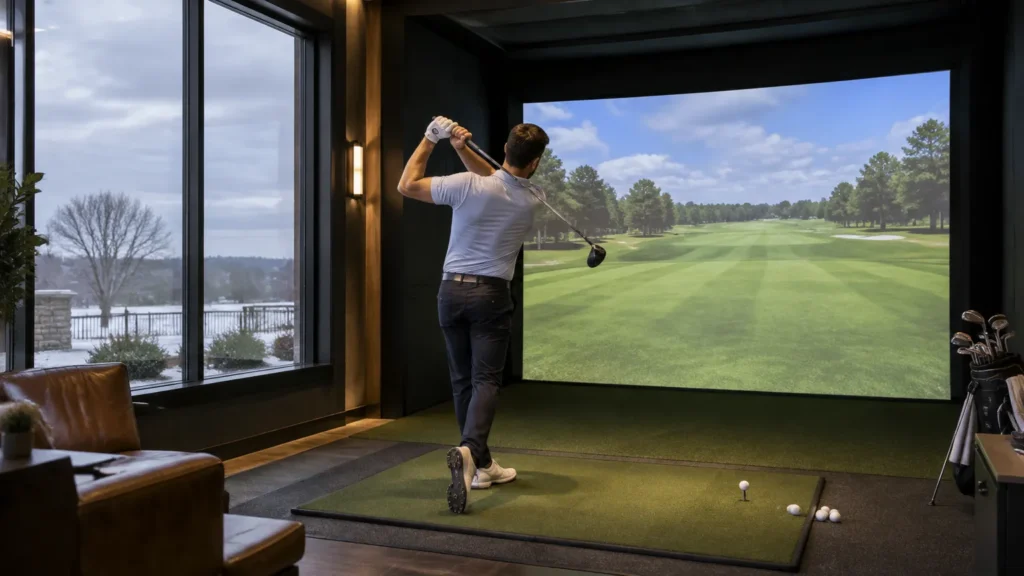
Winter does not stop golf in Bryan-College Station, but it does shrink the window. A cold morning, a wet weekend, or an early sunset can wipe out the swing work you planned for the week. A golf simulator at Phillips Event Center gives you a way to keep hitting balls, testing clubs, and playing holes when the weather will not cooperate. This guide explains how a simulator session fits into a winter routine, what to expect when you book, and how to get more out of each visit without leaving Bryan.
Table of Contents
- Quick Takeaways
- Why Winter Stalls Your Game in Bryan
- What a Simulator Session Gives You
- Booking Your Simulator Session
- Training Between Tournament Seasons
- Simulator Versus Outdoor Practice
- Pairing Simulator Time With Dining
- Frequently Asked Questions
- References
Quick Takeaways
| Key Insight | Explanation |
|---|---|
| Bring one measurable goal to every session | Pick a specific target, such as tightening your 7-iron dispersion or trying a controlled punch shot, so the screen data has a question to answer. |
| Winter is the right time to fix specific shots | Outdoor practice in cold or wet weather tends to become random hitting. Indoors you can repeat one shot ten times and see the pattern clearly. |
| Rehearse tournament timing, not just swings | Match your practice to the start time of the event you are targeting. If the February BGA Tournament begins with 10:00 AM tee times, warm up and rehearse your first-tee routine at that hour. |
| Call 979-776-0133 before you drive over | Ask about current availability and session options at 1929 Country Club Dr. Bryan, TX 77802 so you do not waste a trip. |
| Plan dinner as part of the visit | Madden’s Casual Gourmet accepts reservations and offers takeout and delivery, which makes an evening of golf and a meal easy to schedule. |
| Use the simulator for drills, the course for decisions | Indoor sessions build repetition and feel. Outdoor rounds on the 18-hole City Course test course management, wind, and real lies. |
Why Winter Stalls Your Game in Bryan
Most golfers do not quit in winter. They simply stop practicing with any consistency. A cold week becomes two, a rainy weekend pushes the range session to the next one, and by February the swing you were building in the fall has quietly drifted off course.
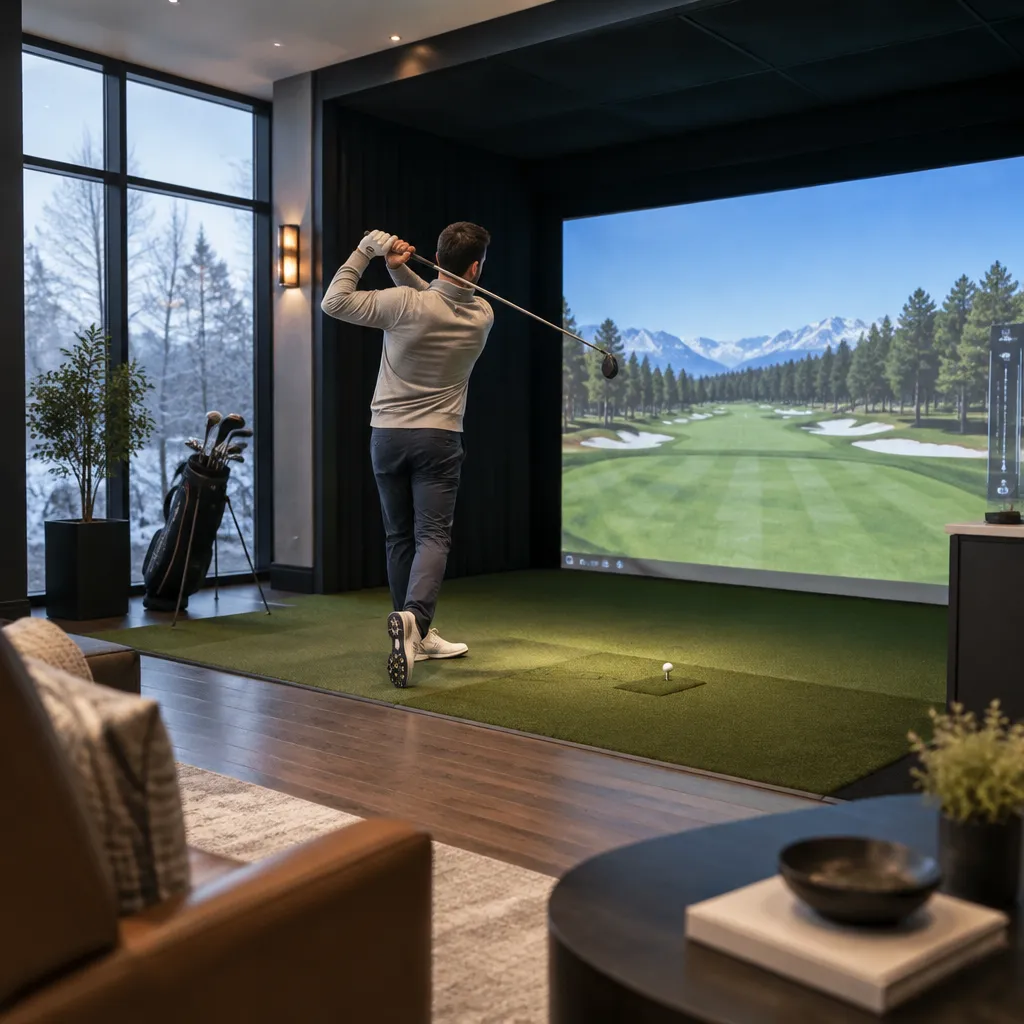
A similar point appears in a public article from a New Jersey indoor golf operator, which notes that a week of rain can derail momentum and a cold snap can make outdoor practice nearly impossible. The same pattern shows up in the Brazos Valley, where winter weather can change quickly and shorter days squeeze your practice window.
The Real Cost of a Three-Week Gap
A three-week gap usually costs more than a little rust. Tempo, takeaway, and contact patterns tend to fade first, and you spend your next few sessions rebuilding them before you can work on anything new. By the time you feel sharp again, the season may already be underway.
The golfers who lose the most ground are the ones who try to fix everything at once after a long layoff. A better approach is to keep a small, steady amount of work going through the cold months so you are never starting from zero.
What a Cold Snap Does to Practice
Outdoor practice in cold, wet, or windy weather is not only uncomfortable. Soggy turf, wet balls, and gusts make it hard to hit a repeatable shot, which means you often practice less and rehearse the wrong things. Your mechanics can drift without you noticing.
Indoors, the conditions stay the same from one swing to the next. That consistency is the main reason a simulator is useful in winter, because it lets you judge your changes instead of guessing what the weather did to your ball flight.
What a Simulator Session Gives You
A simulator is most useful when you treat it as a measurement tool instead of a scoreboard. The screen reports what the ball and club did on each swing, and that feedback is hard to get from a practice bay with no data. In practice, the value comes from patterns across ten or fifteen shots, not from one good or bad number.
Swing Feedback You Can Check Right Away
Most simulators report ball flight and club data after each shot. A single result can mislead you, but a cluster of shots with the same curve or the same launch tells you what your setup and path are doing. If every 7-iron starts right and drifts left, you have a clear problem to work on.
The mistake to avoid is chasing the best shot of the session. Write down the average of your last ten swings, then change one thing and see whether the average moves. That habit turns a fun afternoon into real progress.
Drilling One Shot at a Time
Choose one target shot per session, such as a 150-yard approach, a low wind-cheater, or a controlled wedge from 80 yards. Hit it ten times, track the spread, then move on. Random hitting feels productive, but it rarely changes anything you will carry onto the course.
Short drills work well here. Hit three balls to a target, pause, reset your grip and posture, then hit three more. The reset is where most of the learning happens, and it is easy to skip on a crowded range.
A simulator will not fix your swing on its own, but it will show you exactly what your swing is doing, every time you hit the ball.
Playing Full Rounds Without the Drive
When you want to play, a simulator lets you work through a round with real decisions about targets, club selection, and risk. You still have to think about the layout and the wind, and that is where most amateurs lose strokes. A round indoors is a good test of whether your practice is holding up under scoring pressure.
Keep the rounds short if your goal is a specific skill. Playing nine holes with a plan for your miss pattern is more useful than grinding through 18 holes with no purpose.
Booking Your Simulator Session
Booking is straightforward, but a few preparations make each visit more useful. Call 979-776-0133 or visit 1929 Country Club Dr. Bryan, TX 77802 to ask about availability and session options for the day you plan to come. Ask before you arrive so you know what is open and how long you can stay.
Bring a Specific Goal
Show up with one or two outcomes you want, such as fixing a slice with the driver or getting comfortable with wedges from 80 yards. A clear goal lets you use the screen to diagnose a problem instead of just reacting to each shot.
Pro tip: Write down your three most common misses before you arrive. Test the first one in the first ten minutes so you know whether the problem is setup, path, or face angle before you spend the rest of the session on it.
Plan Group Sessions Around Your Schedule
Simulators suit friendly matches and small groups because each player can get through shots quickly and compare results on the same screen. If you are organizing a group, mention the number of players when you call so the session can be arranged around your plans and nobody spends long stretches waiting between turns.
Group sessions also make a good first visit for players who are new to simulators. Watching a more experienced friend read the data can speed up your own learning.
Choose the Right Time for Your Practice
If your schedule allows, book earlier in the day or on a weekday. You will have more room to repeat drills without rushing, and you will not feel pressure to hurry through your third set of wedge shots. Protect the first hour for the work that matters most, and leave the end of the session for fun.
Plan to arrive a few minutes early so you can warm up, check your equipment, and get your focus set before the first shot.
Training Between Tournament Seasons
Winter is when many local players build the game they will bring to spring events. A simulator lets you keep that work going between outdoor rounds, especially if you have a tournament on the calendar and want to arrive ready to compete.
Working Toward the February BGA Tournament
The BGA Tournament (February) starts with 10:00 AM tee times, so build your practice around that start time. Warm up and rehearse your first-tee routine at the same hour you will be playing, so the early nerves feel familiar rather than new.
The Bryan ISD Invitational Tournament uses an 8:30 AM shotgun start, which means you should practice early sessions too. Treat the first few holes as their own skill, and rehearse the swings you will need before your first shot counts.
Using the Tournament Calendar as a Target
Pick the event you want to play, then count backward. Several weeks out, focus on ball striking and distance control with a clear target for each club. In the final weeks, shift to pressure situations, such as hitting the last three shots of a simulated round with a score on the line.
Do not try to change your swing in the final week before an event. Use the last sessions to confirm what already works and to refine your routine.
Preparing With a Partner
If you are entering a couples event such as the BWGA Couples Tournament, practice together on the simulator. Agreeing on club selection, target lines, and who hits first on each type of shot saves strokes when the round is live.
Partners who practice together also learn each other’s tendencies, such as who tends to pull the approach or who gets quick on the greens. That shared knowledge is worth more than another hour of solo range work.
Simulator Versus Outdoor Practice
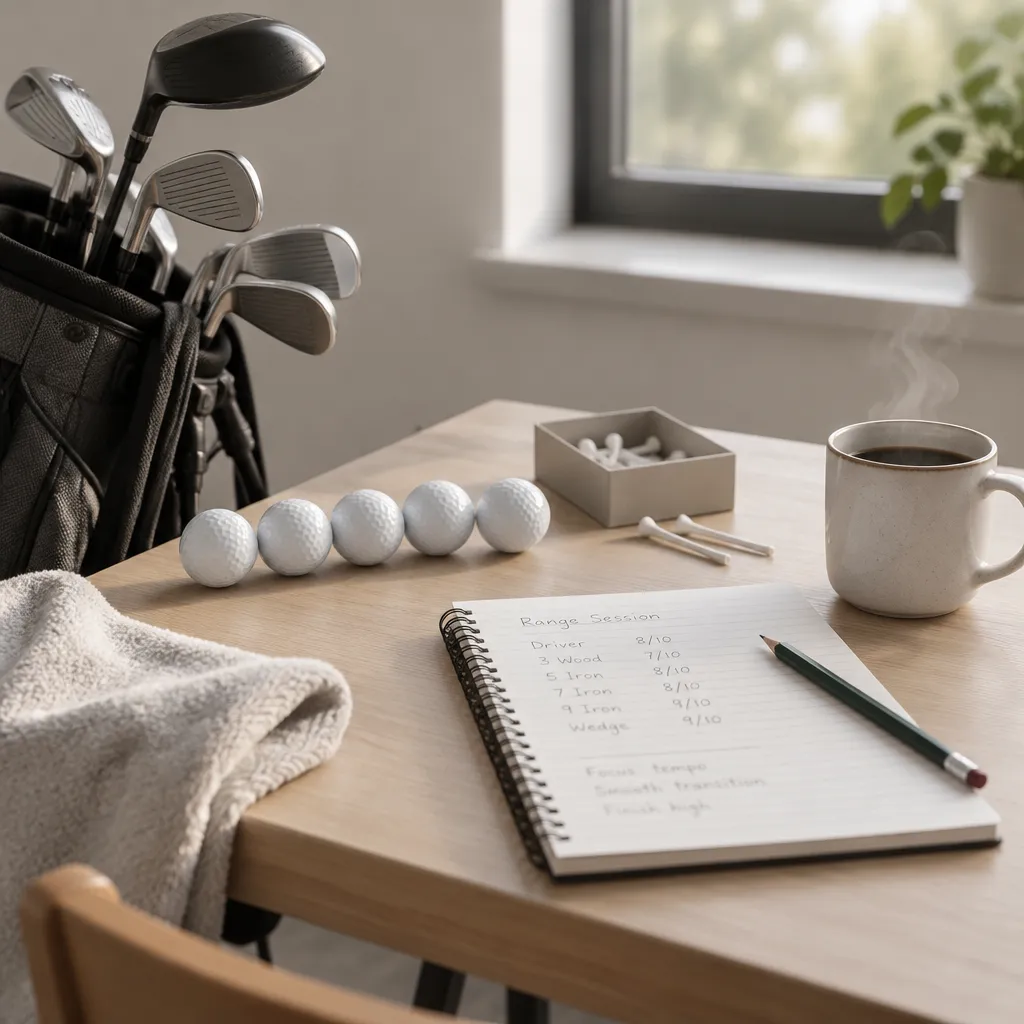
A simulator does not replace grass, but it does different work. Each option earns its place, and the smart move is to use both at the right times. The table below compares where each one fits best.
| Factor | Golf simulator at Phillips Event Center | Outdoor practice in cold or wet weather |
|---|---|---|
| Weather exposure | Indoors, unaffected by rain, wind, or frozen turf | Affected by rain, wind, soggy ground, and short daylight |
| Feedback on each swing | Immediate ball flight and club data after every shot | Depends on your eye, a coach, or video review |
| Course feel | Simulated targets and scoring, without real lies or slopes | Real lies, slopes, and wind, especially on the 18-hole City Course |
| Best use | Drills, repetition, and rounds when weather blocks play | Course management and playing the 18-hole City Course, which measures 6,578 yards from champion tees |
Where Outdoor Play Still Wins
The 18-hole City Course, designed by Dr. Marvin H. Ferguson, gives you what no screen can match: real turf, real slopes, and real decisions about wind and lies. If your goal is to learn how a hole plays rather than how a swing feels, you need time on the course. Plan at least one outdoor round in the weeks before an event.
Outdoor play also trains things indoor sessions cannot easily replicate, such as judging distance over uneven ground and managing your pace between shots. Treat those rounds as the final exam for what you have built in the simulator.
Where the Simulator Wins in Winter
When the weather turns, the simulator keeps your schedule intact. A short session on a cold afternoon can still deliver a focused hour of work, and you can repeat the same shot without waiting for the turf to dry or the wind to calm.
Pro tip: Use the simulator in the week before an outdoor round to rehearse your target lines, then play the course to test whether those decisions hold up on real grass.
Pairing Simulator Time With Dining
A winter session is easier to plan when the visit covers more than golf. Phillips Event Center brings the simulator, the City Course, and dining together at 1929 Country Club Dr. in Bryan, which makes a full evening simple to arrange.
Dinner at Madden’s Casual Gourmet
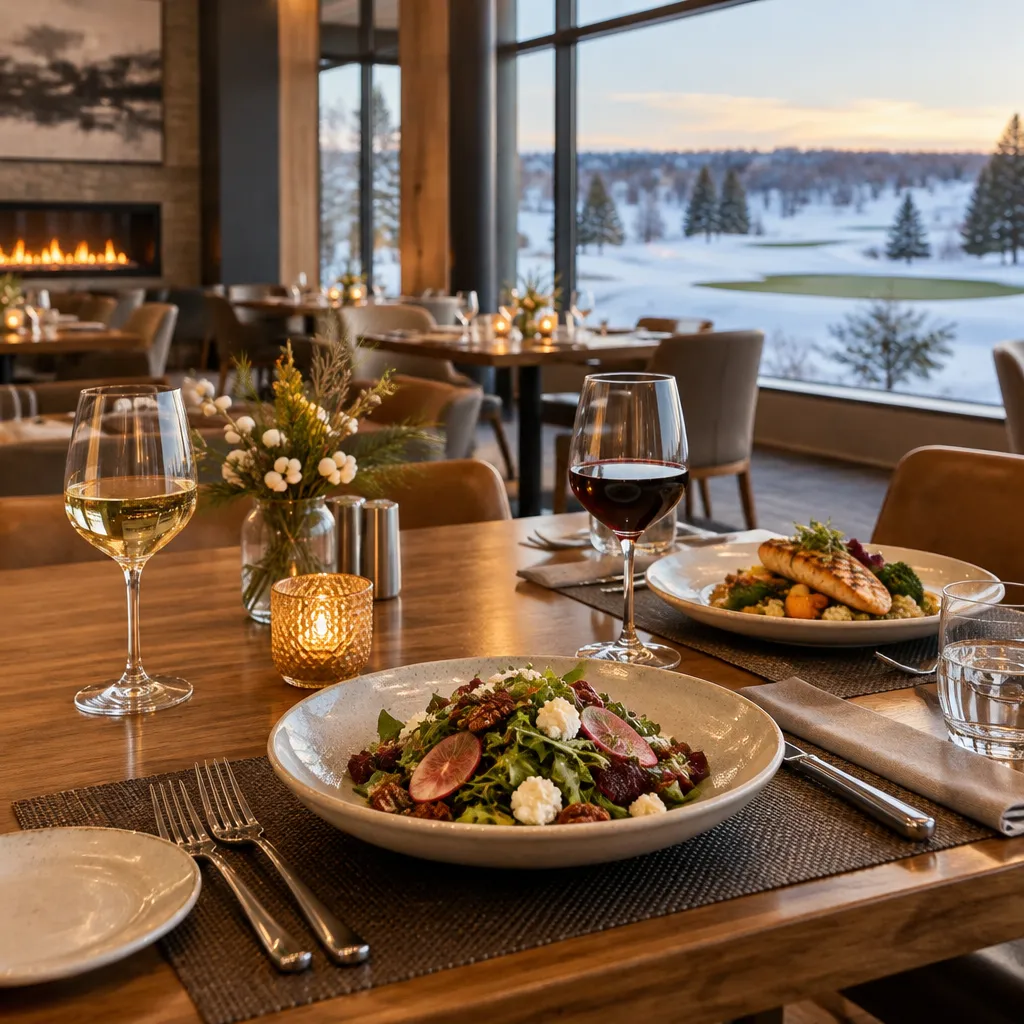
Madden’s Casual Gourmet is the newest select eatery in Bryan-College Station, and it accepts reservations. Book a table for after your session, especially on busy evenings, so you are not waiting for a seat after an hour of swinging.
A post-session meal also gives you a natural place to review your data. Talk through what changed during the session while the details are still fresh.
Takeout and Delivery for Home Nights
If the weather turns after you have booked, Madden’s offers takeout and delivery, so the evening can continue at home without any extra planning. This is useful for families and friends who want to keep a winter routine without making a long night of it.
Corporate and Group Outings
Corporate clients who want a golf-focused evening can combine a simulator session with a meal and a private event booking. Phillips Event Center also hosts corporate events, weddings, and private parties, so ask about both the golf and the event side when you call.
Pro tip: For a group evening, reserve the meal and the simulator time together so the schedule flows from the first swing to the last course without long gaps.
Frequently Asked Questions
Who is a golf simulator session at Phillips Event Center best for?
It suits golfers who want to keep practicing through winter, players preparing for spring events, and groups looking for a friendly evening. Beginners can benefit too, as long as they come with one simple goal, such as making solid contact with a mid-iron.
Can a simulator replace playing the 18-hole City Course?
No. A simulator is excellent for repetition and feedback, but it cannot reproduce real lies, slopes, or wind. Use it to build your swing and decisions, then test them on the City Course, which measures 6,578 yards from champion tees.
How do I book a golf simulator session?
Call 979-776-0133 or visit 1929 Country Club Dr. Bryan, TX 77802. Ask about availability, session options, and whether a group booking fits your plans before you drive over.
Can I combine a simulator session with dinner?
Yes. Madden’s Casual Gourmet accepts reservations and offers takeout and delivery. Book your table when you plan your session so you do not have to wait after your practice.
Is a winter simulator session useful for tournament preparation?
It can be, especially when you plan around the start time of the event. Rehearse your first-tee routine at the same hour as the tournament, and use the last few sessions before the event to confirm what already works rather than changing your swing.
Do I need to be an experienced golfer to use the simulator?
No. Newer players can use the screen data to understand their ball flight and set simple goals. Keep the first session short, focus on one shot, and build from there.
What would make a winter simulator session worth the drive for you, and which part of your game would you want to work on first?
References
- Article on why golfers turn to indoor simulators when weather interrupts play
- Recreation center post promoting a winter golf simulator special in Mentor, Ohio